%2Ffit-in%2F250x250%2Fguide_websites%2F15703%2Fimages%2F17163356590451716335413834x851508610166842500.png&w=1920&q=100)
/users/1b7e76ab-41a2-412c-a78f-bba3affda14b/ratecard/sheepshead-caught-alabama.jpg)
%2F300x300%2Fusers%2F1b7e76ab-41a2-412c-a78f-bba3affda14b%2Fratecard%2Fsheepshead-caught-alabama.jpg&w=256&q=75)
%2F300x300%2Fusers%2F1b7e76ab-41a2-412c-a78f-bba3affda14b%2Fimages%2Ffishing-fun-gulf-shores-2506.jpg&w=256&q=75)
%2F300x300%2Fusers%2F1b7e76ab-41a2-412c-a78f-bba3affda14b%2Fimages%2Fanglers-fishing-alabama-2454.jpg&w=256&q=75)
%2F300x300%2Fusers%2F1b7e76ab-41a2-412c-a78f-bba3affda14b%2Fimages%2Fgulf-shores-beach-fishing-2415.jpg&w=256&q=75)
%2F300x300%2Fusers%2F1b7e76ab-41a2-412c-a78f-bba3affda14b%2Fimages%2Fgulf-shores-fishing-duo-2486.jpg&w=256&q=75)
%2F300x300%2Fusers%2F1b7e76ab-41a2-412c-a78f-bba3affda14b%2Fimages%2Fgreat-friends-fishing-alabama-2445.jpg&w=256&q=75)
%2F300x300%2Fusers%2F1b7e76ab-41a2-412c-a78f-bba3affda14b%2Fimages%2Ffantastic-fishing-alabama-2476.jpg&w=256&q=75)
%2F300x300%2Fusers%2F1b7e76ab-41a2-412c-a78f-bba3affda14b%2Fimages%2Fblack-drum-caught-alabama-2431.jpeg&w=256&q=75)
%2F300x300%2Fusers%2F1b7e76ab-41a2-412c-a78f-bba3affda14b%2Fimages%2Fskilled-fishing-alabama-2401.jpeg&w=256&q=75)
%2F300x300%2Fusers%2F1b7e76ab-41a2-412c-a78f-bba3affda14b%2Fimages%2Ffishing-gulf-shores-2550.jpeg&w=256&q=75)
%2F300x300%2Fusers%2F1b7e76ab-41a2-412c-a78f-bba3affda14b%2Fimages%2Foutdoor-fishing-fun-gulf-shores-2491.jpg&w=256&q=75)
Elite Gulf Shores Inshore Fishing Adventure
 Gulf Shores
What you will be catching:
 King Mackerel
 Redfish
 Sea Trout
 Sheepshead
 Spanish Mackerel
- 3-hour inshore fishing trip targeting redfish, trout, and mackerel
- All equipment and expert guidance provided for beginners and experienced anglers
- Small group experience accommodating up to three guests with sightseeing options
Trip Pricing and Availabilities:
Quick Cast: Afternoon Fishing in Fort Morgan
Hey there, anglers! Looking for a laid-back way to spend your afternoon in Fort Morgan? I've got just the ticket. Our Quick Cast guided fishing trip is perfect for both newbies and seasoned fishermen who want to wet a line without dedicating a full day. We'll cruise the waters around Fort Morgan, Dauphin Island, and some local hotspots like the Dixie Bar and that iconic old lighthouse. Whether you're itching to hook into some redfish or just want to soak in the coastal views, we've got you covered. Best part? No need to fuss with licenses or gear – we'll handle all that. So grab your hat and let's hit the water!
What to Expect on the Water
Our 3-hour trip is all about flexibility. Want to focus on fishing? We'll make it happen. Rather cruise and sightsee? No problem. Most folks like a mix of both, and that's where we shine. We'll start by heading out from Fort Morgan, keeping an eye out for bird activity that often signals fish below. The waters here are teeming with life – from the grass flats where trout love to hide, to the deeper channels where big reds cruise. Don't worry if you're new to fishing; I'll show you the ropes, from baiting your hook to setting the hook when a fish strikes. And if you're an old pro? Well, I might just learn a thing or two from you!
Tackling the Inshore Bite
Inshore fishing is all about versatility. We'll likely start with some light tackle setups – think 7-foot medium action rods paired with 3000 size reels. This combo is perfect for most of what we'll target. For bait, we'll use a mix of live shrimp (when available) and artificial lures. Soft plastics like Gulp! jerk shads are money for trout, while gold spoons can drive redfish crazy. If the mackerel are running, we might switch to some faster retrieve lures or even troll a bit. The key is reading the water and adjusting our approach. Some days, a popping cork with live bait under it is unbeatable. Other times, we might need to get crafty with jigs worked along the bottom. No matter what, I'll make sure you're rigged up right and ready to catch.
Top Catches This Season
The inshore waters around Fort Morgan have been on fire lately. We've been seeing some chunky speckled trout hanging around the grass flats, especially on incoming tides. The redfish action has been steady, with lots of slot-sized fish and even some big bulls cruising the deeper edges. Spanish mackerel have been thick, providing some fast action when we find a school. And don't sleep on the sheepshead – these striped bandits have been stacked up on structure, offering a real challenge for those who want to test their skills. Remember, it's not just about what's biting; it's about the whole experience. The dolphins playing in our wake, ospreys diving for fish, and that stunning view of the Fort Morgan lighthouse – it all adds up to an afternoon you won't forget.
Species You'll Want to Hook
Spanish Mackerel: These speedsters are a blast to catch. They're known for their blistering runs and acrobatic jumps when hooked. We typically find them in schools, so when we hit them, the action can be non-stop. They love fast-moving lures, so be ready for some quick retrieves. Best time to target them is usually spring through fall, with peak action in the summer months. Anglers love 'em for their fight and their tasty fillets.
Sheepshead: Don't let their goofy looks fool you – these striped fish are some of the craftiest around. They're masters at stealing bait, so hooking one takes finesse. We find them around structure like pilings and jetties. They've got powerful jaws full of human-like teeth (creepy, right?) that they use to crush crabs and barnacles. Spring is prime time for big spawning sheepshead, but we catch them year-round. They're a favorite for their sweet, white meat.
King Mackerel: While we primarily focus inshore, sometimes we luck into these bigger cousins of the Spanish mackerel. "Kings" are known for screaming runs that'll make your drag sing. They're typically a bit further out, but occasionally they'll chase bait schools into the bay. Late spring and early fall are your best bets. Landing a king is always a highlight – they're impressive fish that can top 20 pounds or more inshore.
Sea Trout (Speckled Trout): These spotted beauties are a staple of inshore fishing. They love to hang around grass flats and dropoffs, often in schools. We catch them year-round, but the bigger "gator" trout are more common in cooler months. They're known for their delicate bite and tendency to shake the hook, so staying focused is key. Trout are popular for both their sporty fight and excellent table fare.
Redfish: Ah, the mighty red drum. These copper-colored bruisers are probably the most sought-after inshore species we have. They can be found in a variety of habitats, from shallow flats to deeper channels. Fall is prime time when big schools of bull reds come in to spawn, but we catch them all year. What makes them special? How about bone-jarring strikes, powerful runs, and the ability to grow to over 40 pounds in inshore waters? Yeah, that'll do it.
Time to Book Your Spot
Alright, folks, let's wrap this up. Our Quick Cast afternoon trip is the perfect way to squeeze some quality fishing into your Fort Morgan visit. Whether you're a die-hard angler or just looking to try something new, we've got you covered. With all gear provided and no experience necessary, it's a stress-free way to get on the water and into some fish. Plus, you can't beat that late afternoon light on the bay – it's pure magic. So why wait? Grab your crew (up to 3 guests total) and let's make some memories. The fish are biting, the water's calling, and I've got a cooler full of cold drinks with your name on it. Book now, and I'll see you at the dock!
Learn more about the species
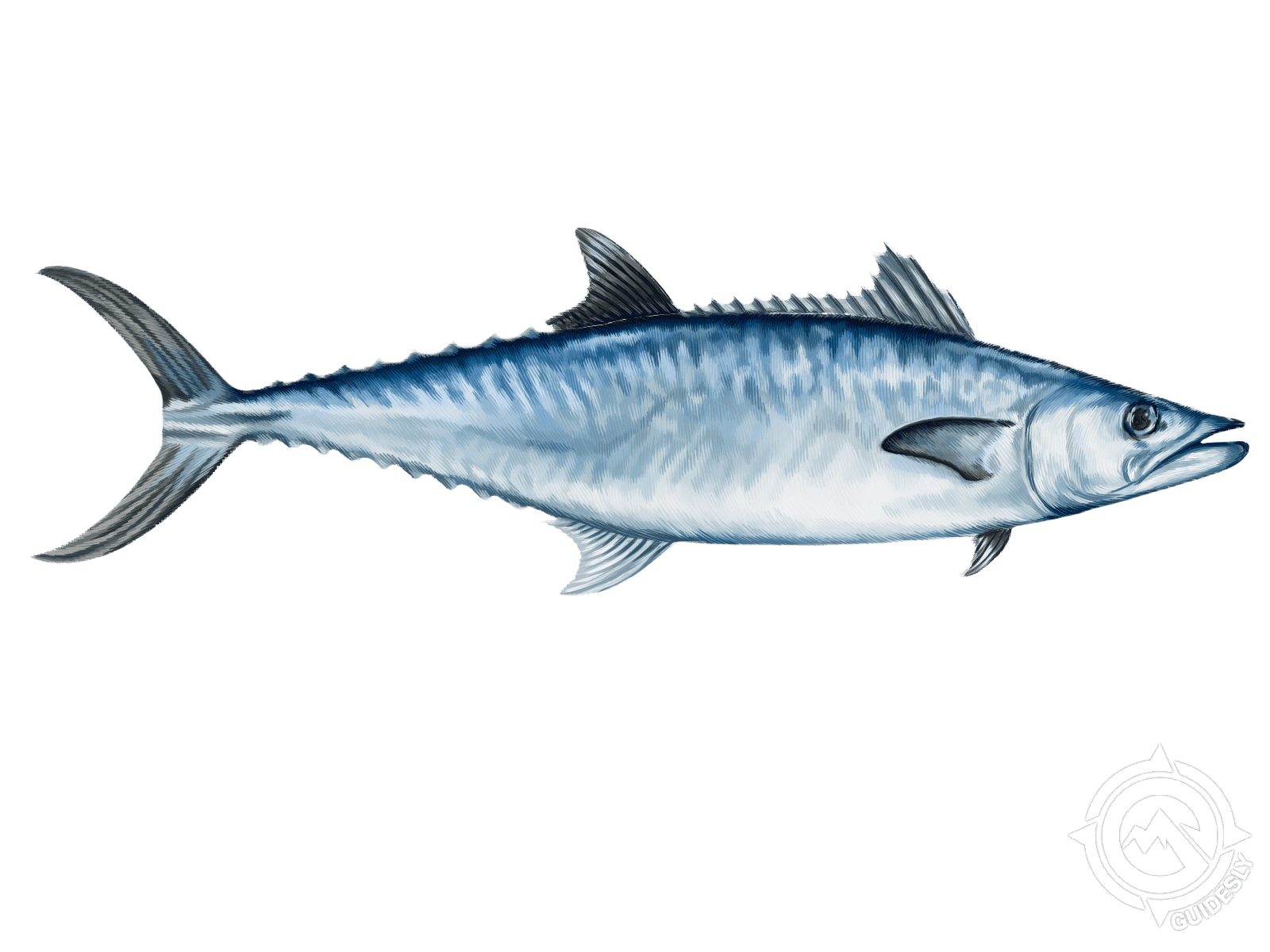
King Mackerel
King Mackerel, or "Kings," are the big cousins of Spanish Mackerel. These sleek predators can top 50 pounds, though most run 10-30 pounds. Look for them in deeper water, 30-150 feet, often around reefs or wrecks. Kings are speed demons, known for blistering runs that'll test your drag. They migrate through our area in spring and fall, following baitfish schools. Anglers prize Kings for their hard fights and good eating, though they can have higher mercury levels so moderation is key. To catch one, try slow-trolling live bait like blue runners or menhaden. Here's a local trick: use a stinger rig with two treble hooks. Kings are known for short-striking, so that trailing hook often saves the day.
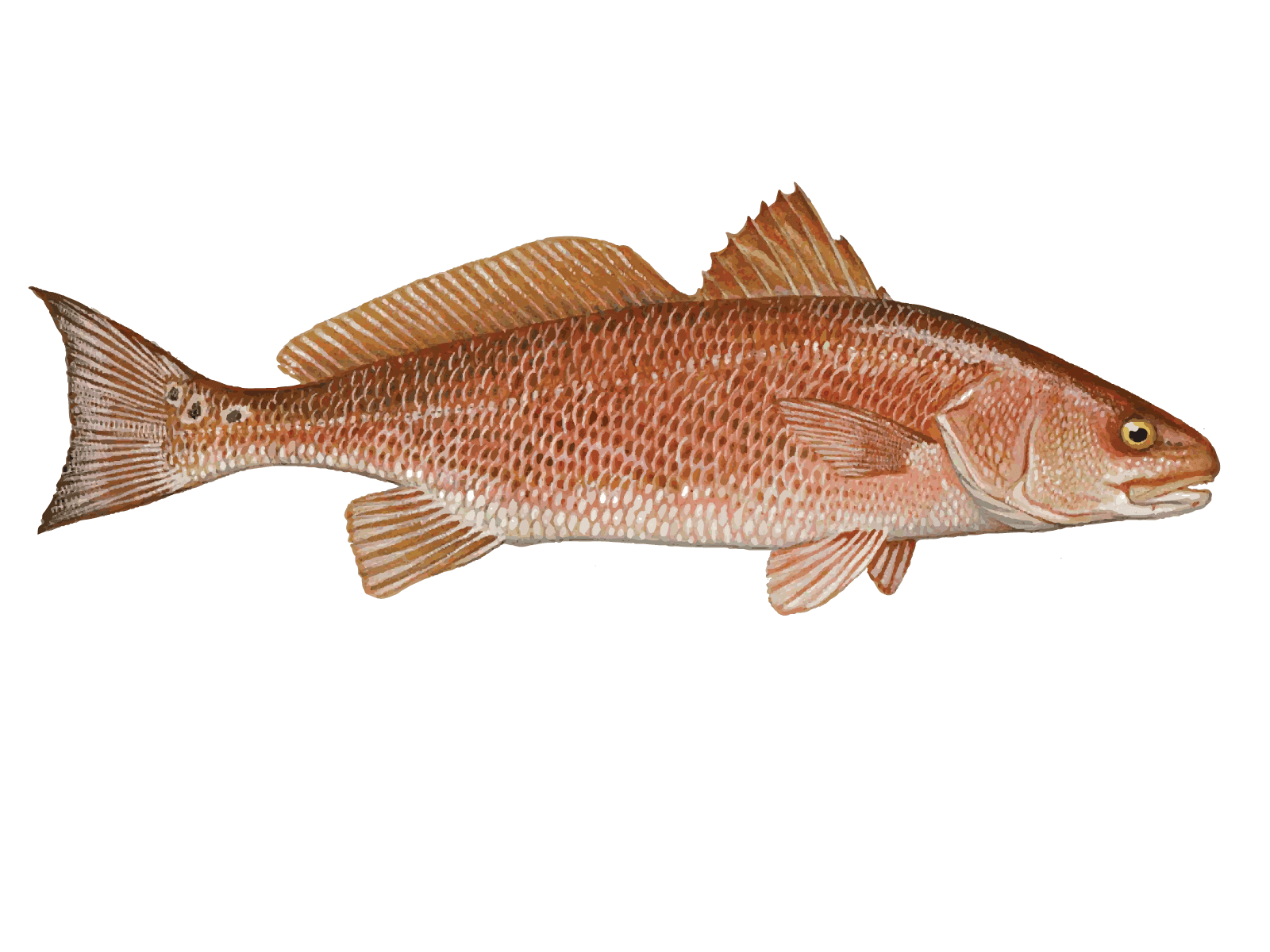
Redfish
Redfish, or Red Drum, are a staple of our inshore waters. They range from 3-pound "rats" to 30-pound "bulls," with a distinctive black spot near the tail. You'll find them in shallow flats, around oyster bars, and in coastal marshes. They often "tail" in very shallow water, giving away their location as they root for crabs and shrimp. Fall is prime time when big schools of bulls move in to spawn. Anglers love Redfish for their powerful runs and excellent table fare. To catch them, try a gold spoon or a scented soft plastic on a jighead. Here's a local secret: on calm days, look for "nervous water" - slight disturbances on the surface often mean Redfish are feeding nearby. Cast just beyond the disturbance and work your lure through the area.
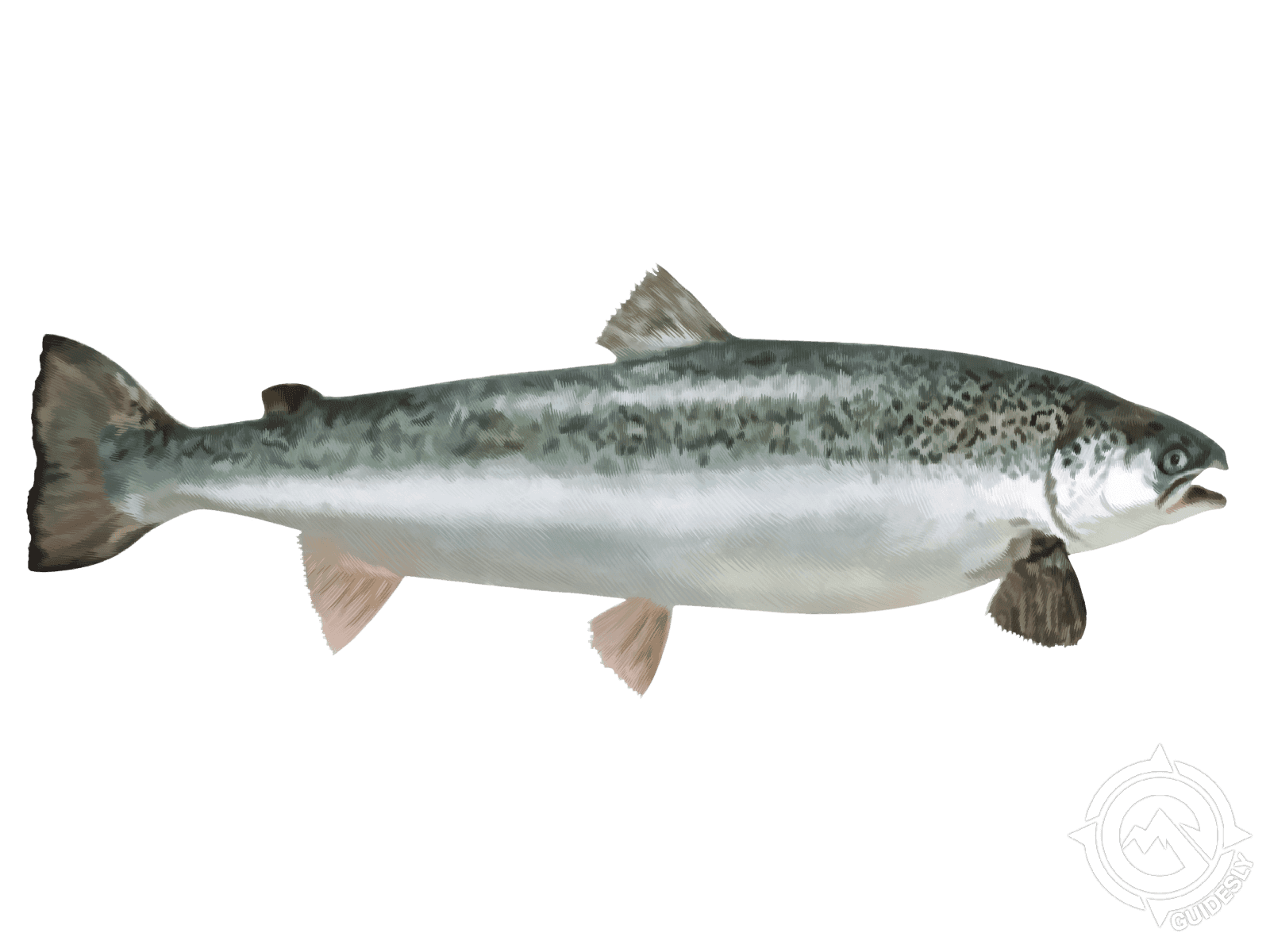
Sea Trout
Sea Trout, also called Speckled Trout, are a favorite inshore species. They typically run 1-3 pounds but can reach over 5. You'll find them in grassy flats, around oyster bars, and near creek mouths. They're ambush predators, so look for them hiding near structure or depth changes. Spring and fall are peak seasons when water temps are moderate. Anglers love Sea Trout for their willingness to hit lures and their delicate, white meat. They put up a good fight on light tackle, often making short runs and head shakes. To catch them, try a live shrimp under a popping cork or a soft plastic jig worked slowly along the bottom. Local tip: fish the tide changes, especially the first of the incoming tide. That's when trout often feed most actively.
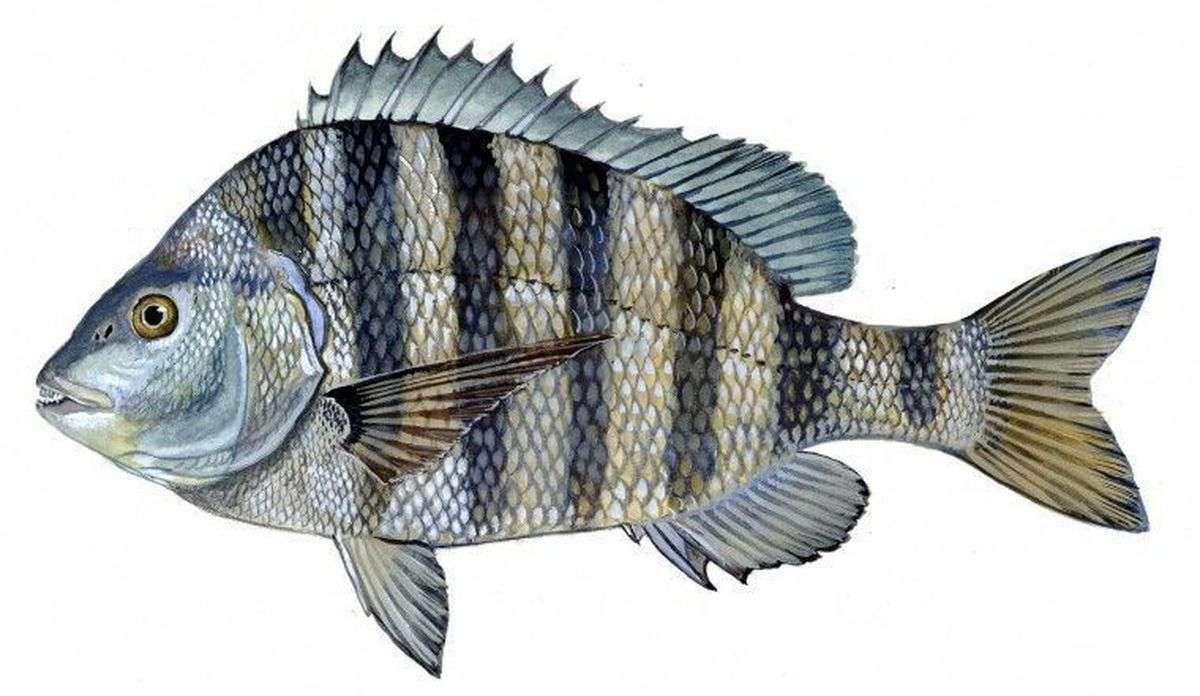
Sheepshead
Sheepshead are odd-looking fish with black and white stripes, giving them the nickname "convict fish." They typically run 1-5 pounds but can get up to 15. You'll find them around pilings, jetties, and oyster bars - anywhere with barnacles or crustaceans to munch on. They're notorious bait stealers with human-like teeth that can crush shells. Spring is prime time when they school up to spawn. Anglers love the challenge of hooking these crafty fish, plus they're excellent eating with firm, white meat. To catch sheepshead, use a small, sharp hook with fiddler crabs or oysters for bait. My top tip: when you feel the lightest tap, set the hook hard. These guys are masters at nibbling bait off the hook without getting caught.
Spanish Mackerel
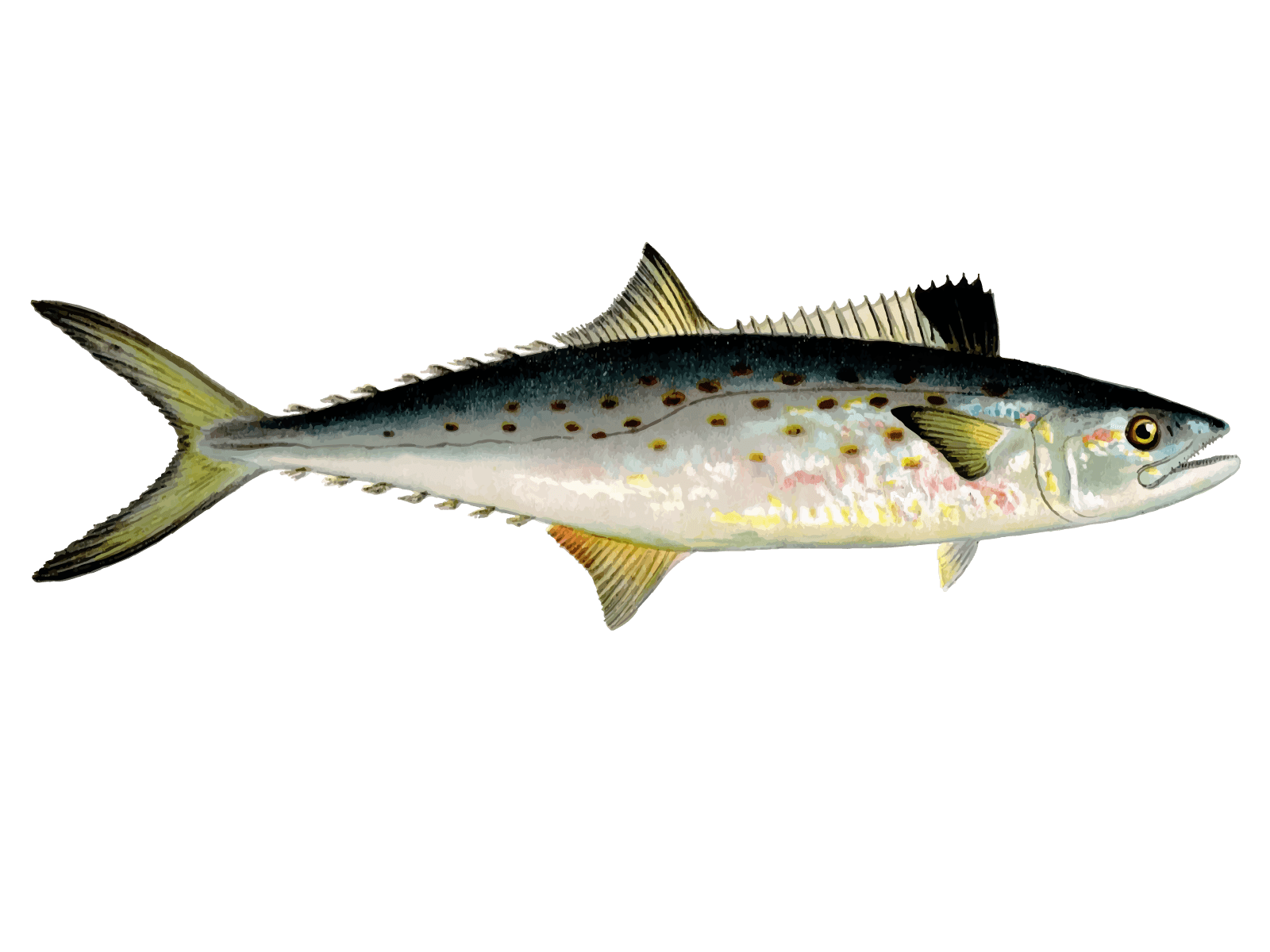
Spanish Mackerel are fast-swimming, silvery fish with greenish backs and yellow spots. Usually 1-2 feet long and weighing 2-4 pounds, they're known for their speedy runs and acrobatic jumps when hooked. You'll find them in schools near the surface, often around inlets and nearshore structures. They migrate through our waters in spring and fall, following bait schools. Anglers love targeting Spanish Mackerel for their hard-fighting nature and tasty meat. They're great on the grill or smoked. To catch 'em, try trolling small spoons or jigs behind planers. My go-to trick is to look for diving birds - that's often a dead giveaway for feeding mackerel schools. Cast a silver spoon into the frenzy and hang on tight!
About the Cabin Cruisers
%2F%2Fusers%2F1b7e76ab-41a2-412c-a78f-bba3affda14b%2Fvehicle_picture%2Fimage48.png&w=1920&q=75)
Vehicle Guest Capacity: 4
Manufacturer Name: Yamaha
Maximum Cruising Speed: 25
Number of Engines: 1
Horsepower per Engine: 200